The Mike Tyson tattoo on his face has had a decisive impact on popular culture and fashion, becoming a different kind of individuality and boldness. This unique pattern not only enhanced his formidable image, but also inspired many people to experiment with tattoos and self-expression. In the world of fashion and art, Tyson’s tattoo became a symbol of boldness and non-acceptance of the standard, prompting designers and artists to create new trends and collections inspired by the motifs present. The emergence of facial tattoos in music, movies and even on runways is partly due to the influence of Tyson, who showed with his invention that such tattoos can be a powerful expression of personal history and inner strength.
Secondly, how does a non-Maori tattoo artist get to claim intellectual property rites over an obviously traditionally styled design? When Tyson first appeared with this thing around his eye I remember how he talked about it’s traditional origins and significance, so what about it makes it something that some tattoo artist can claim as original? I mean, really? (In doing a web search for a common use eligible image of the tattoo I did come across an article from Techdirt about an indignant Maori response to this claim — see the quoted portion below)
After that loss to Kutztown, Bagent led Shepherd to eight straight wins. McCook said he was the best player on the team for four years, with a work ethic ingrained by a larger-than-life father who won 17 world arm wrestling titles. Bagent was the only D-II player invited to the Senior Bowl and one of three invited to the combine. He has faced long odds before. But maybe not quite like this.
Regardless of personal meaning, one thing is for sure. Tyson embodies strength, wisdom, and freedom – as do many of the other inspirations that he has tattooed on his body–and his tattoos represent who he has been, is now, and will be in the future.
The last Division II quarterback to be drafted was Chris Greisen by the Cardinals in Round 7 of the 1999 draft. The last Shepherd player drafted? Bob Hogue, an offensive tackle selected by the Baltimore Colts in the 20th round in 1960.
To save content items to your account, please confirm that you agree to abide by our usage policies. If this is the first time you use this feature, you will be asked to authorise Cambridge Core to connect with your account. Find out more about saving content to Google Drive.
Tyson once revealed that he spontaneously got the tattoo done and did it because it looked cool. Furthermore, Tyson revealed that he initially wanted to get hearts as a face tattoo but changed his mind at the last moment. As such, Tyson decided to instead get a tattoo that could represent his fierce spirit, and he chose this tattoo.
Instead, the artist suggested a Maori tribal design on just the left side of his face. Tyson agreed to it and said he loves it. “It looks awesome,” he said. “That tattoo is me. Sometimes I see people with tattoos on their face and I’m like: ‘Woah, this guy is crazy!’ I forget that I’ve got one on my face.”
After Tyson was released from prison, his fans noticed that now, on the boxer’s right shoulder, instead of a tattoo with his name, there is an image of Communist China’s leader Mao Zedong with the signature in crude, sprawling script “MAO.”
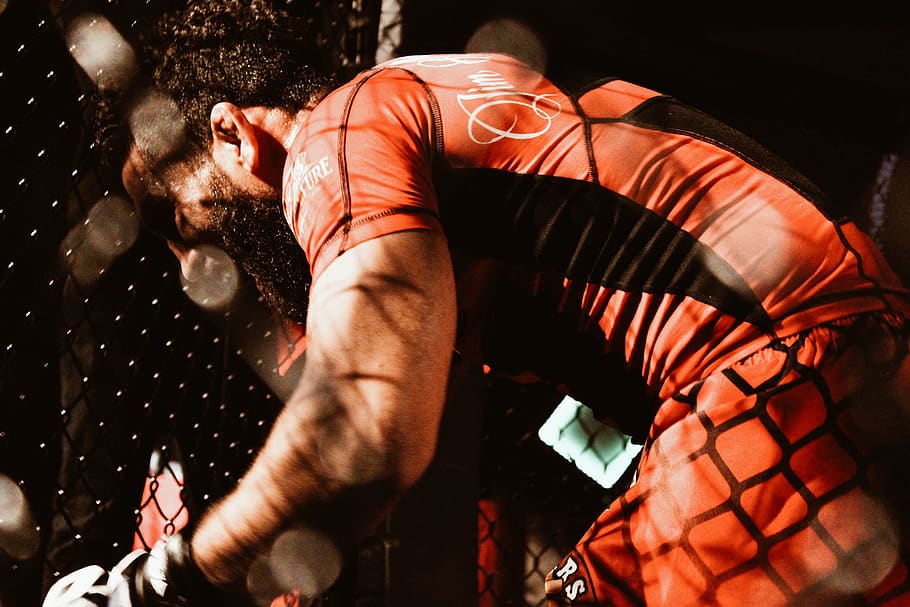 why does mike tyson have a mao tattoo did Mike Tyson get a face tattoo? Tyson talked about his decision to get a tattoo, citing a desire to assert his individuality and express himself artistically. For Tyson, a tattoo represents a form of self-expression and empowerment.
Tyson has an original tattoo of Mao Zedong on his right arm, the founder of the Chinese People’s Republic. The great leader was credited with ending civil unrest, which Tyson read about in prison. In 2006 Tyson visited the Chairman Mao Memorial Hall, with the Chicago Tribune in tow, to pay respects.
 En 2003, Mike Tyson sorprendió al mundo después de someterse a la aguja del tatuador Victor Whitmill. Un dibujo con historia que, en un principio, pudo haber sido de “corazones”, según reveló el propio artista en una entrevista con Graham Bensinger. Al parecer, Tyson quería corazones en su rostro y ser “El hombre de corazones”, pero él se lo desaconsejó.
This tattoo includes Ashe’s name and a tennis racket. It’s a tribute to Ashe’s contributions to sports and his advocacy for social justice, demonstrating Tyson’s appreciation for those who use their fame for positive change.
Face tattoos are quite popular. We were amazed during our research to find that face tattoos are not just popular with celebrities – many people around the world have face tattoos. We found that the face tattoo demographic is evenly split between men and women as well.
Bradley and King agree that any license to Tyson would not extend to Warner Bros. recreating the tattoo on another person’s face, but Bradley concludes that Warner Bros.’ actions were nonetheless likely fair use, while King argues that the replication of the tattoo on Price’s face was satire rather than parody and thus not protected by fair use under Campbell v. Acuff-Rose Music, Inc. Ultimately, Bradley writes that, even if a fair use defense failed, Whitmill would not have won significant damages, as he had only registered the copyright after the alleged infringement began and could thus only collect on compensatory damages.