In recent years, the economic climate has driven many investors to seek alternative assets that can provide a stable store of value, particularly in times of financial uncertainty. Among these alternatives, gold has often been highlighted for its historical resilience and intrinsic value. As a result, a growing number of individuals are exploring the process of rolling over their 401(k) plans into physical gold. This observational research article seeks to delve into the methods, motivations, and experiences of individuals making such a transition, alongside the broader implications of this investment strategy.
To begin with, understanding the mechanics of a 401(k) rollover into physical gold is crucial. A 401(k) typically offers a range of investment vehicles, including stocks, bonds, and mutual funds. In case you have just about any concerns relating to where and also the way to employ topgoldirareviews, you’ll be able to e-mail us with our own web page. However, it does not provide direct access to physical commodities, like gold. Therefore, individuals interested in converting their 401(k) into gold must navigate through specific procedures. This generally involves liquidating their current investments and transferring the funds into a self-directed IRA (Individual Retirement Account), which permits investment in physical gold. Observations among participants indicate that this process can be complex and often requires consultation with financial advisors and custodians who specialize in precious metals.
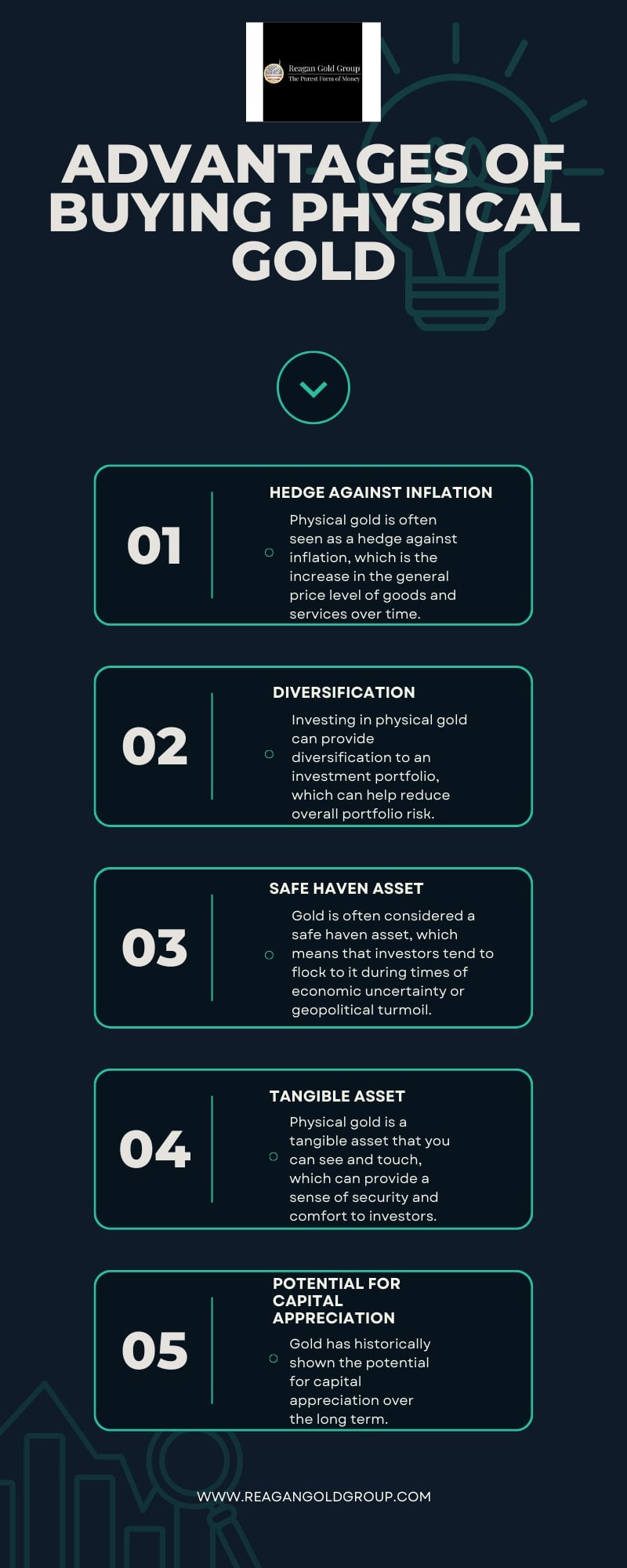
Motivations for converting a 401(k) into physical gold vary widely. Commonly cited reasons include concerns over inflation, stock market volatility, and geopolitical instability. For instance, during periods of market downturns or when inflation rates spiked, many individuals expressed a desire to safeguard their retirement savings against potential losses. Observations reveal that participants often perceive gold as a reliable hedge against these economic threats. One participant noted, “Gold has stood the test of time; it’s something tangible that I can hold,” reflecting a sentiment frequently echoed by others in the group.
Another factor influencing the decision to roll over a 401(k) into gold is the increasing awareness of the potential for financial institutions to fail or encounter systemic risks. In discussions amongst participants, there was a palpable sense of apprehension regarding the stability of traditional banking and investment systems. As a result, many expressed a desire for a more diversified portfolio that includes gold as a physical asset, believing it would provide greater security in uncertain times.
The experience of physically storing gold is another significant aspect. Most commonly, investors choose to have their gold stored in secure facilities that specialize in the custody of precious metals. Observations made during interviews indicated that individuals prioritized security and insurance when selecting a storage option. Many participants expressed a preference for segregated storage within highly secure vaults, providing them a sense of peace. “Knowing my gold is stored securely allows me to sleep at night,” one investor remarked, highlighting the psychological benefits associated with having a tangible asset safeguarded away from the potential pitfalls of the financial system.
However, the transition to physical gold is not without its challenges. Participants noted various obstacles such as high premiums associated with purchasing and storing gold, as well as fluctuations in gold prices. One recurring comment among the group was the concern regarding liquidity. Investing in physical gold can mean that accessing cash quickly may become more complicated compared to traditional stocks or mutual funds, given the need to convert the gold back to currency. This realization leads many investors to reconsider their withdrawal strategies from their retirement accounts.
Moreover, the tax implications of rolling over a 401(k) into gold often require careful navigation. When funding a self-directed IRA, investors must be mindful of IRS regulations regarding contributions, distributions, and penalties for early withdrawal. Observations from participants revealed that confusion over these rules can lead to missteps that result in unexpected tax liabilities. Some individuals expressed that they felt overwhelmed by the complex paperwork and strict requirements associated with these transactions.
As individuals embrace this investment strategy, the broader implications for the gold market are evident. Differentiating between new trends and lasting shifts in consumer behavior provides valuable insights into the evolving dynamics of investment preferences. Observations suggest that as more investors transition to physical gold, demand for the metal may rise, potentially influencing prices. Additionally, changes in public perception regarding gold as an investment vehicle may further drive interest in this area, especially as younger investors increasingly seek alternative assets.
Educational resources and platforms are significantly shaping the narrative surrounding gold investments. A surge in online seminars, webinars, and educational materials dedicated to gold investment practices has emerged in response to growing public interest. Many participants shared that they relied on these resources to navigate the complex landscape of precious metals. This influx of knowledge has empowered many to take control of their financial futures, fostering confidence in their decisions to move towards physical gold investments.
In conclusion, the observance of individuals rolling over their 401(k) into physical gold reveals a complex landscape motivated by a desire for security, stability, and preservation of wealth. As financial systems face new challenges, the intention to diversify and hedge against economic uncertainty naturally shifts attention towards tangible assets like gold. However, the complexity of such a transition—from handling logistics, overcoming challenges, to understanding regulations—demands thoughtful consideration and careful planning. As investors continue to seek refuge in physical gold, the resulting implications for both personal finance and the broader economy warrant close attention in the years to come.