When the kettle boiled, Tom flicked his phone, tapped a thumbnail, and within ten seconds a sprawling fantasy world materialised on his laptop. No download, no patch, just a steady 15 Mbps stream and a controller that had been gathering dust since university. By the time the toast popped, he’d already beaten the first boss and was planning his next raid for Sunday night.
Why Cloud Gaming Works for the Weekend Crowd
Weekend leisure in the UK often means a tight window: a Saturday afternoon after chores, a Sunday evening before the workweek. Cloud gaming trims the setup time dramatically. A typical console requires 30‑45 minutes for installation, updates and a quick‑start test. The same title on a streaming service launches in under 15 seconds, provided the broadband speed exceeds 10 Mbps – a benchmark the Ofcom report shows 78 % of UK households now meet.
Because the hardware sits in a data centre, the performance is uniform. Players with a modest mid‑range laptop can enjoy 1080p at 60 fps, something that would otherwise need a dedicated gaming PC costing upwards of £1,200. The cost‑per‑hour model—£4.99 for a month of unlimited play—translates to roughly £0.07 per hour if you game three evenings a week, a fraction of buying a new console every two years.
Data Caps and the Reality of Streaming
Streaming games eats data faster than binge‑watching a series. A two‑hour session in 1080p consumes about 7 GB. For the average UK broadband plan with a 500 GB monthly cap, that’s 2.8 % of the allowance. Families with multiple gamers can hit the limit quickly, especially if they switch to 4K (around 15 GB per two hours). The practical tip? Keep an eye on the router’s usage stats and schedule high‑resolution sessions on days when you have a data‑free weekend bundle.
Those on unlimited plans enjoy freedom, but they should still watch for throttling after 300 GB of usage, a clause many ISPs hide in the fine print. A quick call to the provider can confirm whether the speed will dip after a marathon gaming night.
Social Play Without the Logistics
Co‑op sessions used to require everyone to be in the same room or to coordinate across different consoles. Cloud platforms now host multiplayer lobbies that anyone can join from a laptop, tablet or even a smart TV. Last month, a group of five friends from Manchester, Leeds and Bristol completed a 12‑hour raid without ever meeting physically. The only coordination needed was a Discord voice channel and a shared game link.
Because the games run on the provider’s servers, latency is largely a function of your own internet route. In most UK cities, the average ping to European data centres sits at 30‑45 ms, low enough for fast‑paced shooters and rhythm games alike. Rural areas may see 80‑120 ms, which is still playable for turn‑based titles but can frustrate competitive FPS fans.
From Cloud Gaming to Online Casinos: A Natural Extension
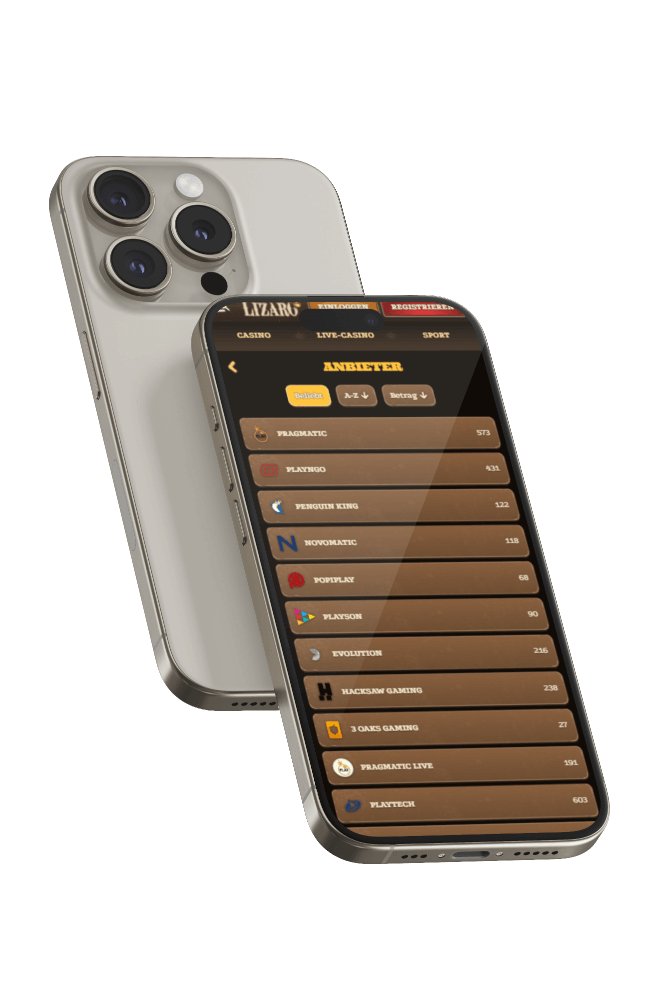
While streaming games fills the weekend with adventure, many also drift towards other forms of digital entertainment. The same low‑latency connections that make cloud titles smooth also support live‑dealer casino streams, where a real croupier deals cards in real time. For those curious, the lizaro casino offers a seamless bridge between interactive gaming and traditional betting, all without leaving the comfort of your sofa.
The Limits of Current Libraries
Not every blockbuster is available. Licensing deals mean that popular titles like “The Last of Us” or “Elden Ring” are still absent from most services. The average catalogue size hovers around 150 games, compared to a console’s 1,000‑plus library. This matters if you’re hunting niche indie gems; you may need to supplement with a handheld or a PC.
Another drawback is the occasional server outage. In March, a major provider experienced a three‑hour downtime that left thousands of UK gamers mid‑mission. The lesson? Keep a backup plan—perhaps a physical disc or a local multiplayer board game—if you can’t afford a weekend without entertainment.
Looking Ahead: What the Next Five Years May Bring
Investments in edge computing promise to shrink latency further, potentially bringing 5G‑grade responsiveness to rural homes. Expect more UK data centres, which will reduce the distance between your router and the game server, shaving off precious milliseconds. Additionally, subscription bundles are likely to expand, offering cross‑platform credits that can be used on both cloud services and traditional consoles.
For now, the weekend ritual has already shifted. Instead of dusting off a console or waiting for a disc to spin up, you can launch a new world with a tap, join friends across the country, and keep an eye on your data usage—all before the kettle whistles again.