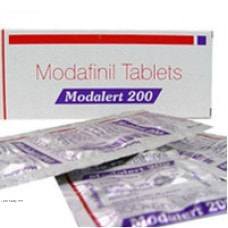
In recent years, the pharmaceutical industry has witnessed a significant surge in the online sale of various medications, with modafinil emerging as a particularly popular option. Originally developed for the treatment of sleep disorders such as narcolepsy, modafinil has garnered attention for its off-label use as a cognitive enhancer. This article aims to explore the online market for modafinil, examining its availability, pricing, and the implications of purchasing this drug through online platforms.
Modafinil, often marketed under the brand name Provigil, is a wakefulness-promoting agent that has gained traction among students, professionals, and individuals seeking to enhance their cognitive performance. The appeal of modafinil lies in its ability to promote alertness and concentration without the jittery side effects commonly associated with traditional stimulants like amphetamines. As a result, it has become a sought-after substance for those looking to maximize productivity, particularly in high-pressure environments.
The online marketplace for modafinil is vast and varied. Numerous websites offer the drug for sale, often without requiring a prescription. This lack of regulatory oversight raises concerns about the safety and legitimacy of the products being sold. Many online vendors operate under the guise of providing legitimate pharmaceuticals, but the quality and authenticity of their offerings can be questionable. An observational study of various online pharmacies reveals a mixed landscape, with some sites appearing professional and trustworthy, while others exhibit red flags such as poor website design, lack of contact information, and overly aggressive marketing tactics.
Pricing for modafinil varies widely across different online platforms. A typical cost for a 30-day supply can range from $30 to $150, depending on the vendor and the dosage. Some websites offer bulk purchasing options, which can lower the price per pill but may also lead consumers to buy more than they need, potentially increasing the risk of misuse or dependency. The disparity in pricing raises questions about the factors influencing these costs, including the source of the medication, shipping fees, and the vendor’s operational expenses.
One notable trend in the online sale of modafinil is the prevalence of “nootropic” or cognitive enhancement marketing. Many vendors position modafinil as a smart drug, promising users improved focus, memory, and overall cognitive function. This marketing strategy appeals particularly to students and professionals who may feel pressured to perform at their best. However, the promotion of modafinil as a cognitive enhancer often oversimplifies the complexities of brain function and the potential risks associated with off-label use. Users may not fully understand the implications of taking modafinil without medical supervision, including possible side effects such as headaches, insomnia, and anxiety.
Additionally, the ease of access to modafinil online raises ethical concerns regarding self-medication. Many individuals may turn to online sources for modafinil without consulting a healthcare professional, potentially leading to inappropriate use of the drug. The lack of medical oversight can result in individuals misjudging their need for the medication, leading to overuse or reliance on the drug as a crutch for productivity. This self-medication trend highlights the importance of public education regarding the risks and benefits of modafinil, as well as the need for proper medical guidance.
Furthermore, the online sale of modafinil raises legal and regulatory questions. In many countries, modafinil is classified as a controlled substance, meaning it is illegal to sell or purchase it without a prescription. However, the global nature of the internet complicates enforcement efforts, allowing vendors to operate from jurisdictions with lax regulations. This situation creates a paradox where individuals can easily access a controlled substance while potentially exposing themselves to unregulated and unsafe products.
Consumer reviews and testimonials play a significant role in shaping perceptions of online modafinil vendors. Many websites feature user reviews that praise the effectiveness of the drug and the reliability of the vendor. However, the authenticity of these reviews can be difficult to verify, as some may be fabricated or incentivized by the vendor. Potential buyers should approach these testimonials with caution, recognizing that personal experiences with modafinil can vary widely based on individual physiology, dosage, and context of use.
As the online market for modafinil continues to grow, it is essential for consumers to remain informed and cautious. Those considering purchasing modafinil online should conduct thorough research, looking for reputable vendors with clear contact information, transparent pricing, and positive user feedback. Additionally, consulting with a healthcare professional before starting any new medication is crucial to ensure safety and appropriateness of use.
In conclusion, the online sale of modafinil presents a complex landscape characterized by opportunities and risks. While the accessibility of this cognitive enhancer may appeal to those seeking improved performance, it also raises significant concerns regarding safety, legality, and the ethics of self-medication. As the demand for modafinil continues to rise, it is imperative for consumers to navigate the online market with caution and awareness, prioritizing their health and well-being above all else. Further research and public discourse on the implications of modafinil use and its online availability are essential to foster a more informed and responsible approach to cognitive enhancement in the digital age.