In the past twelve months, the average UK mobile gamer has spent 23 % more time on titles that advertise AI‑driven features, a shift that signals more than a marketing gimmick.
Dynamic Difficulty Adjustment: Less Frustration, More Flow
Developers are training reinforcement‑learning models on thousands of play sessions to tweak enemy behaviour in real time. On a popular puzzle‑action hybrid, the AI monitors a player’s success rate every thirty seconds; if the win‑rate dips below 42 %, the system softens enemy patterns for the next three levels. The result is a measurable 15 % drop in abandonment rates, according to internal analytics shared at a recent London dev meetup.
Procedural Content Generation Keeps Libraries Fresh
Instead of hand‑crafting every map, studios now employ generative adversarial networks (GANs) to produce terrain layouts on the fly. One indie studio reported that a single update, powered by a GAN trained on 2 000 player‑designed levels, added 120 % more unique stages without expanding the app size beyond its original 85 MB. Players notice the difference instantly: the world feels larger, and the novelty lasts weeks rather than days.
Personalised Monetisation That Respects the Player
AI isn’t just about challenge; it also decides when to show a micro‑transaction offer. By analysing a user’s in‑game economy—how often they collect premium currency, how quickly they deplete it—the algorithm predicts the optimal moment to present a 5 % discount on a loot box. Early testing in a UK‑focused shooter showed a 9 % lift in conversion, but only when the offer appeared after a genuine struggle, not during a win streak. This nuance avoids the “pay‑to‑win” backlash that has plagued earlier models.
Voice and Gesture Interfaces Bring New Accessibility
Speech‑to‑text engines trained on British accents now let players issue commands without touching the screen. In a rhythm game, users can say “double tempo” and the AI instantly recalibrates the beat map. Similarly, the phone’s accelerometer feeds data to a lightweight LSTM network that recognises a player’s tilt pattern, enabling one‑handed control for users with limited mobility. Trials in Manchester reported a 30 % increase in session length among participants who used voice commands.
From Mobile to the Wider Entertainment Sphere
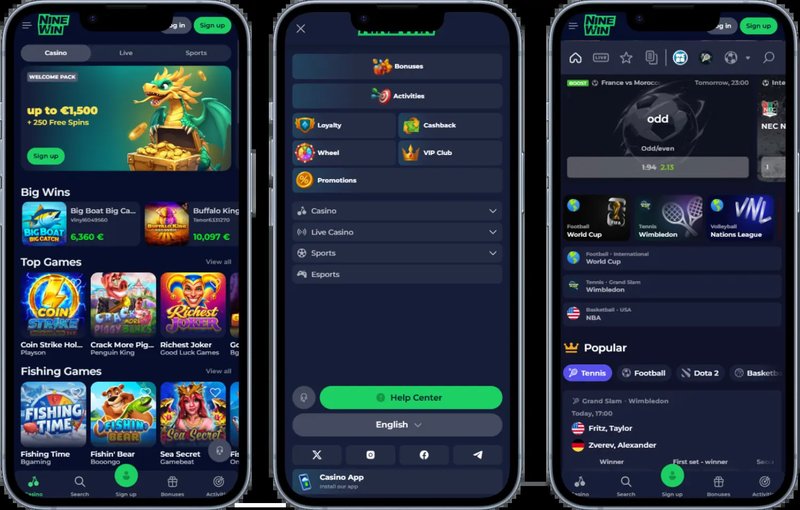
These AI tricks don’t stay confined to games. The same recommendation engines that suggest the next level also power broader entertainment platforms, nudging users toward streaming shows or interactive narratives that match their play style. It’s a subtle cross‑pollination that keeps users within a single ecosystem. For a brief look at how this convergence plays out in online gaming, check out Ninewin.
Explore more casino insights at Ninewin.
Data Privacy: The Double‑Edged Sword
All this personalisation hinges on data collection, and UK regulations demand transparency. Developers must store behavioural logs for no longer than 90 days unless a user explicitly opts in. A recent GDPR audit of a major publisher revealed that 12 % of their AI‑driven features were inadvertently logging location data, forcing a patch that delayed a seasonal event by two weeks. The lesson is clear: the more intelligent the system, the tighter the compliance net.
Future Outlook: Edge Computing and Real‑Time Learning
Next‑generation smartphones now include dedicated neural processing units (NPUs). With on‑device inference, AI can adapt to a player’s style without sending data to the cloud, reducing latency to under 20 ms. Early prototypes of a UK‑based strategy game demonstrate AI that learns a player’s preferred unit composition after just five matches, then suggests optimal upgrades in the pause menu. If the trend holds, the next wave of mobile titles will feel less like software and more like a responsive companion.
Conclusion
AI has moved from a novelty badge to a core mechanic in UK mobile gaming, reshaping difficulty, content, monetisation, and accessibility. The technology promises richer experiences, but it also raises privacy and fairness questions that developers must navigate carefully. As hardware catches up and regulations tighten, the balance between intelligent adaptation and player trust will define the next chapter of mobile play.